
How a Class 8 Dropout Built a Thriving Jute Bag Enterprise in Rural Punjab
Discover how Charanjit Kaur transformed her life from a daily wage laborer into a successful entrepreneur running a jute bag business in a Punjab village.
Abhinav Kumar
6/12/2026
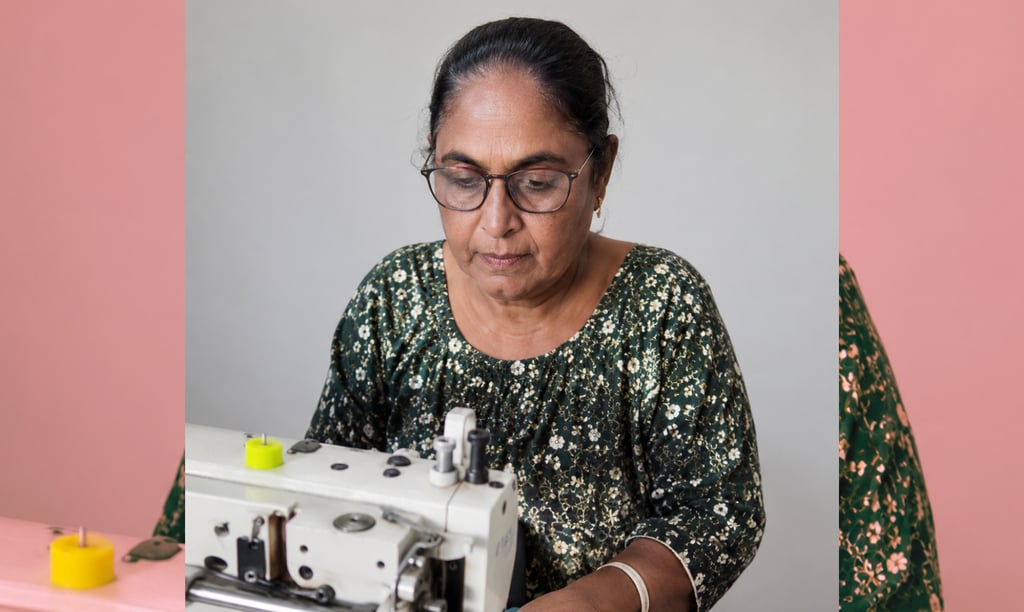
Photo Credit: The Times Of India (AI-enhanced image)
How a Class 8 Dropout Built a Thriving Jute Bag Enterprise in Rural Punjab
When conversations about entrepreneurship begin, they typically center around venture capital, advanced degrees, and sprawling urban tech hubs. Charanjit Kaur stepped into this world from an entirely different starting line. A resident of Bhagwanpura village near Samrala in Punjab, she left formal education after Class 8. Today, at 54 years old, she manages a thriving rural enterprise that supplies handmade jute bags to major corporate clients, including Tata and Jonty Agro, as well as an international customer base. Her work proves that complex supply chains can be built from the ground up, driven by sheer necessity and a willingness to learn.
The Weight of Daily Wages
The foundation of her business was built on deep financial struggle. More than a decade ago, Charanjit and her husband worked as landless laborers. They took on odd jobs for daily wages just to feed their three children. The financial instability was severe. Charanjit recalls times when securing even a single 100 rupee note felt like an insurmountable challenge.
Realizing that daily wage labor would never provide a secure future for her family, she decided to seek an alternative. Instead of waiting for outside assistance, she gathered a small group of women in her village who were facing similar economic hardships. Together, they mapped out a plan to pool their efforts and start a small scale manufacturing unit right in their neighborhood.
Building the Enterprise
The women formed the Guru Arjan Dev Ji self help group and secured a modest loan from a local bank. Charanjit converted a single room in her house into a workspace. They purchased a single sewing machine and began stitching basic utility items, such as synthetic covers used for agricultural storage.
Progress was slow and the initial earnings barely covered their loan repayments. Recognizing the need to upgrade their product line, Charanjit sought formal skill development. She enrolled in training programs at the local Krishi Vigyan Kendra in Samrala. There, she mastered the craft of making high quality jute bags.
As her technical skills improved, she expanded operations. The group began sourcing raw jute directly from Kolkata and other materials from wholesale markets in Ludhiana and Delhi. They diversified their catalog to include school bags, travel luggage, and customized storage bags. To handle the increasing volume, they secured additional loans to purchase more sewing machines at subsidized rates, slowly transforming the spare room into a fully functioning production floor.
Creating Local Impact
The growth of the jute bag business directly changed the economic landscape of Bhagwanpura. Today, Charanjit Kaur works alongside a dozen local women to fulfill steady corporate and international orders. During peak agricultural harvest seasons and the start of new school terms, the workshop operates at maximum capacity. The enterprise now generates an average monthly income of 50,000 rupees for Charanjit, while providing steady, dignified wages for her team.
Beyond immediate employment, Charanjit has taken on the role of an educator. Local village councils regularly invite her to run training workshops for young women. She teaches them the mechanics of sewing and the basics of running a micro business. She charges a nominal fee for the training but waives the cost entirely for women who cannot afford it. By passing on her knowledge, she ensures that other women in her district have the tools to achieve financial independence.
The Shift Toward Sustainability
The success of this rural enterprise aligns with a massive shift in global consumer habits. As environmental awareness grows, large corporations and individual buyers are actively seeking sustainable packaging alternatives. Jute, a highly durable and biodegradable natural fiber, has seen a massive resurgence in demand.
By positioning her business to manufacture eco friendly products, Charanjit tapped into a highly lucrative market without needing a corporate strategy team. Her handmade bags offer a practical, environmentally safe alternative to single use plastics. It demonstrates how traditional village industries can seamlessly integrate into modern, environmentally conscious supply chains.
A Model of Self Reliance
The journey of Charanjit Kaur challenges conventional definitions of business leadership. She did not inherit capital or receive formal business training. She identified a market need, utilized government skill centers, and built a cooperative network of working women.
Her workshop in Bhagwanpura stands as a functional model of grassroots economic development. It highlights how targeted support for self help groups can revitalize rural economies. More importantly, it shows that true empowerment happens when individuals are given the opportunity to build their own livelihoods and, in turn, pull their entire community forward.
Related Stories
The Divine Duty © 2026
The Divine Duty shares inspiring stories, cultural heritage, documentaries, change makers, and human journeys that educate, preserve, and inspire.