
How Neha Kirpal Turned a Family Struggle with Schizophrenia into a Mental Health Movement
Neha Kirpal navigated her mother's schizophrenia in silence. Today, she is transforming mental healthcare in India through advocacy and accessible support.
Abhinav Kumar
6/12/2026
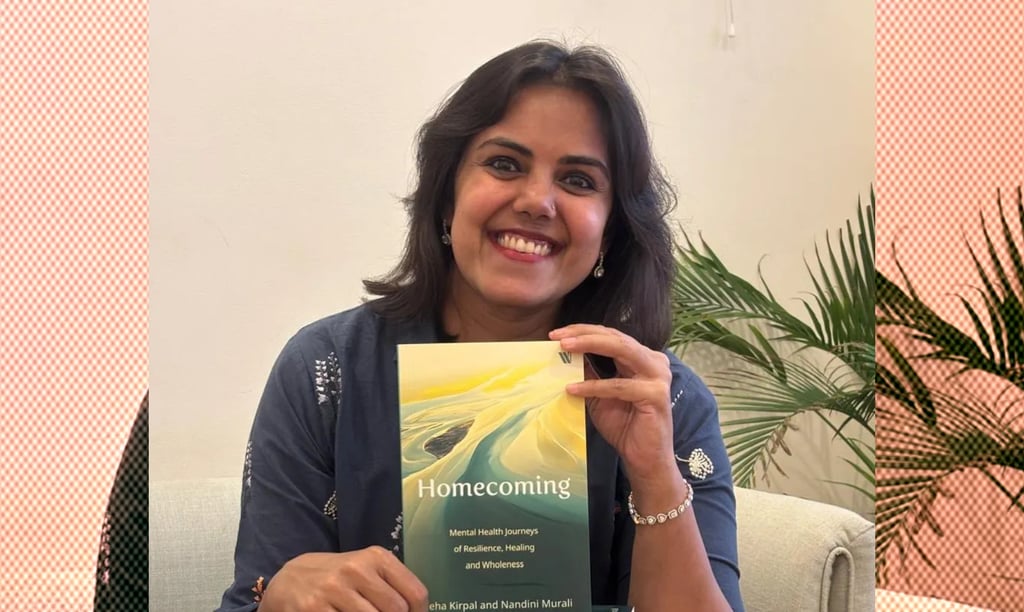
Photo Credit: IG/@neha.kirpal
How Neha Kirpal Turned a Family Struggle with Schizophrenia into a Mental Health Movement
At thirteen years old, Neha Kirpal learned to navigate a reality that most adults struggle to comprehend. Inside her home, her family was quietly battling a severe medical crisis. Her mother had been diagnosed with schizophrenia. For years, the household was locked in a cycle of unpredictable behavior, brief periods of stability, and sudden relapses. Decades later, the young girl who once hid from the chaos of her home environment would go on to build Amaha Health, one of India's leading mental healthcare platforms, reaching millions across the country.
The Weight of Silence
Growing up in India during the 1990s meant that mental illness was rarely discussed openly. For Neha and her family, her mother's condition was treated as a strictly private matter. They lived under the constant pressure of social stigma, bound by the cultural fear of what neighbors and relatives might say.
The illness created a fractured household. Neha witnessed her mother lose her sense of identity to schizophrenia. At the same time, the family lost its natural support system because they did not have the vocabulary or the social permission to talk about their struggles. Behind closed doors, the family endured hospital admissions and the heavy emotional toll of caregiving. To cope, Neha built a parallel life outside the house. She focused heavily on her studies and relationships, masking the complex trauma that defined her home life.
A Detour Through the Art World
Despite the heavy emotional burden of her formative years, Neha channeled her energy into building a highly successful professional career. At the age of 26, she founded the India Art Fair. Over the next decade, she transformed the event into one of the most prominent cultural institutions in South Asia.
She spent years shaping the contemporary art ecosystem, creating spaces for expression and storytelling. Yet, the realities of her childhood remained close to the surface. She recognized that art and healing were deeply connected, as both involve giving a voice to the inexpressible. Eventually, the urge to address the unfinished business of her past grew too strong to ignore. She realized she needed to step away from the art world to address the very issue that had shaped her life.
Building a New Ecosystem for Care
In 2019, Neha shifted her focus entirely to mental health. Drawing directly from her lived experience as a lifelong caregiver and a survivor of sibling suicide loss, she co-founded Amaha Health alongside Dr. Amit Malik. Her goal was to dismantle the exact barriers her family had faced decades earlier.
Amaha was designed to solve the critical issue of accessibility. By offering personalized self-help tools, digital interventions, and a network of trained psychiatrists and therapists, the platform bridges the gap between those who need help and those who provide it. Today, the organization reaches millions of lives across hundreds of Indian cities, offering services in multiple regional languages.
Expanding the Mission
Neha understood that a single organization could not fix a national crisis. She also co-founded the India Mental Health Alliance (IMHA). This umbrella organization brings together more than 275 different groups working across education, livelihoods, and community health. The alliance aims to mainstream mental well-being as a core developmental issue in India.
Her focus constantly returns to the family unit. She often points out that clinical treatment frequently ignores the children living in the house with a severely ill parent. By centering local knowledge and community support, her initiatives advocate for a holistic approach to mental healthcare.
To further document these realities, Neha recently co-edited "Homecoming: Mental Health Journeys of Resilience, Healing and Wholeness." The book gathers intimate, first-person narratives from Indian women navigating severe conditions like bipolar disorder, complex trauma, and schizophrenia. By sharing these stories, she hopes to educate society, unlearn stereotypes, and offer practical insights for families currently walking the path she once walked alone.
The Broader Context of Mental Health in India
Statistics indicate that nearly 15 percent of the Indian population experiences some form of mental illness. Despite this massive prevalence, the country faces a severe shortage of mental health professionals. Furthermore, the stigma surrounding psychological conditions prevents countless families from seeking timely interventions.
When mental healthcare is treated as a taboo subject, patients are often denied dignity, and caregivers are left to manage profound emotional exhaustion without a safety net. Grassroots movements and accessible digital platforms are beginning to change this landscape. By normalizing conversations around therapy and psychiatric support, these initiatives encourage individuals to seek help before a crisis point is reached.
Transforming Pain into Purpose
The story of Neha Kirpal highlights a vital shift in how society approaches medical and psychological challenges. She did not allow her family's struggle to remain a source of permanent isolation. Instead, she used her deep understanding of caregiving to design systems that protect other families from experiencing the same silent trauma.
Real change in public health often requires the perspective of those who have navigated the system from the inside. By turning a deeply private struggle into a public mission, Neha is helping to build an infrastructure of empathy and practical support for the millions of Indians currently living with mental illness.
Related Stories
The Divine Duty © 2026
The Divine Duty shares inspiring stories, cultural heritage, documentaries, change makers, and human journeys that educate, preserve, and inspire.